

Traversing the realm of diets can feel intimidating, notably with the variety of choices available today. If you are beginning your fitness journey or looking to optimize your diet, understanding the diverse categories of nutrition plans is crucial. This resource will help clarify the most popular diet plans, making it easier for you to find the one that matches with your way of life and wellness aims.
From trendy low-carb plans like the Keto diet to cardiovascular-friendly approaches such as the DASH eating plan, each eating strategy comes with its specific set of benefits and drawbacks. We’ll investigate how these diets affect your body and give you information into which might suit you best for you. With a little knowledge, you can make an educated choice about your eating journey, ensuring that it meets not only your physical needs but also your personal preferences.
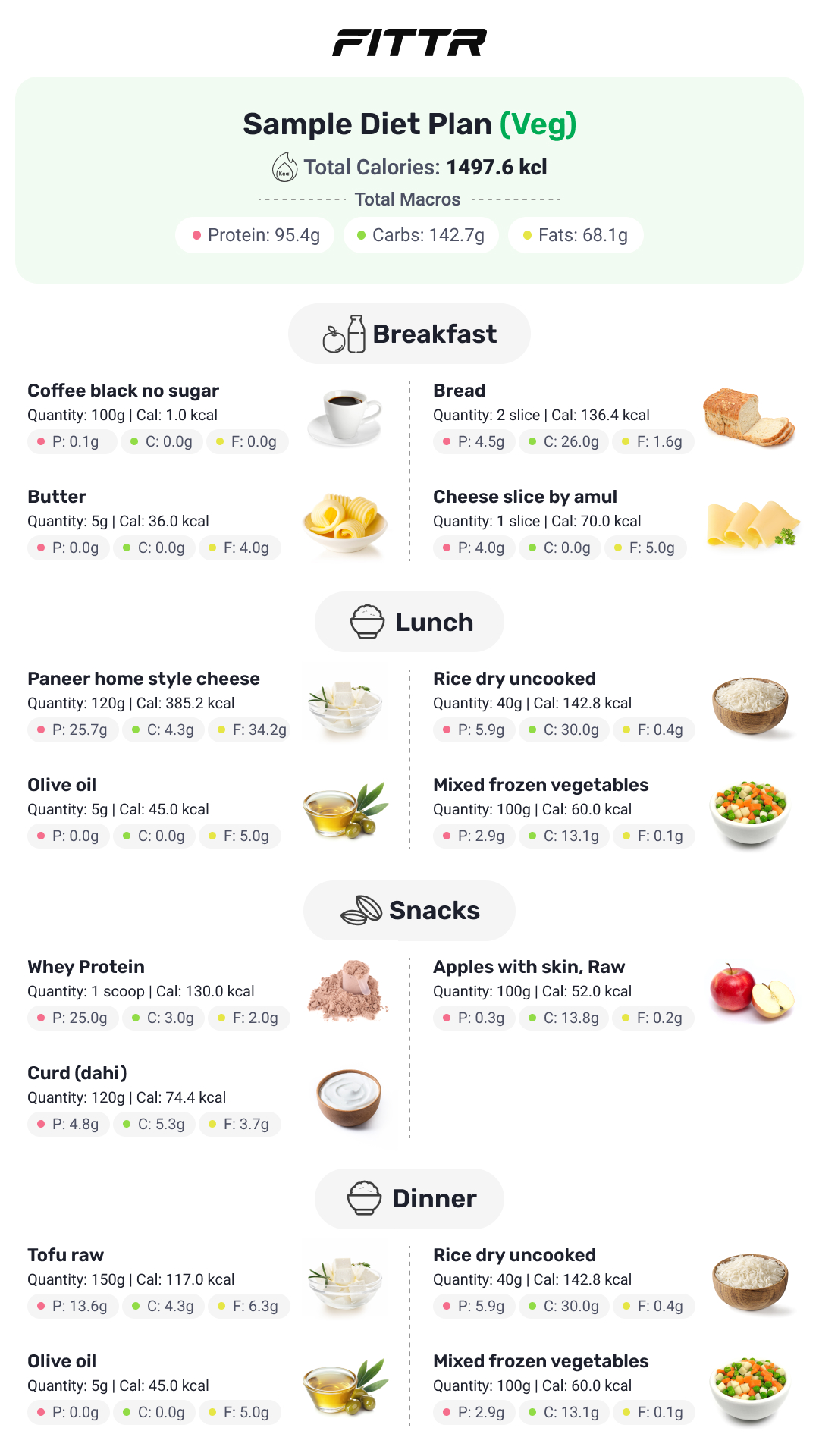
Summary of Well-Known Diet Plans
While examining various diets, it is crucial to understand that every diet fulfills multiple health goals and ways of living. Well-known dietary patterns such as the Mediterranean, Keto, and Paleo have gained traction in recent years due to their unique benefits. The Mediterranean diet, for example, highlights natural foods, nutritious fats, and plant-based meals, prompting numerous health professionals to advocate it for its cardiovascular benefits. In comparison, the Keto diet centers around elevated fat intake and low carbohydrates, pushing the body into a state of fat-burning mode to burn fat for fuel. Understanding these fundamentals helps individuals identify what aligns with their fitness requirements.
In addition to traditional diets, current movements like intermittent fasting and plant-based eating are changing how people perceive food. Intermittent fasting emphasizes cycles of eating and fasting, which can help in weight loss while giving the digestive system a rest. The plant-based diet, often mixed up with veganism, promotes consuming more fresh fruits, vegetables, grains, and legumes, focusing on health and sustainability. Each of these diets has its own set of guidelines, making it important for individuals to consider their aims before starting.
Furthermore, those dealing with specific health conditions can gain from specialty diets. The DASH diet, designed to address hypertension, reduces sodium intake while supporting fruits and vegetables. The FODMAP diet is tailored for those with gastrointestinal problems, helping them to identify food triggers that may worsen discomfort. By understanding these specific diets, individuals can develop informed choices that cater to their unique health needs, ultimately leading to a better quality of life.
Understanding Nutritional Benefits and Disadvantages
As you evaluating multiple diets, one must crucial to balance their benefits against potential drawbacks. Numerous popular diets, such as the Ketogenic and Paleo diets, offer significant fat loss and better energy. However, they may also lead to a lack of nutrients if not managed properly. It is crucial to comprehend the nutritional needs of your body needs and the way alternative diet plans might meet or undermine these food requirements.
Following a diet often demands changes to one’s lifestyle that may not be suitable for everyone. For BMI calculation , the Mediterranean diet plan is celebrated for its heart-healthy effects, but it may not be suitable for those who prefer quick results or have hectic schedules. Conversely, plans like time-restricted eating might assist in losing weight, but they might be hard to follow in the long run for a few individuals. Everyone's connection with food is unique, and what is effective for one person could be unsuitable for another.
Furthermore, the mental and emotional factors of dieting should not be overlooked. Diet plans that are excessively restrictive can create unhealthy relationships with food, leading to feelings of guilt or anxiety. Selecting a diet plan that aligns with your lifestyle and supports sustainable adherence is essential. Comprehending the advantages and disadvantages of each choice can help guide you to a well-rounded approach that supports both your bodily health and mental health.
Selecting the Right Diet for Your Way of Life
Selecting a diet that fits seamlessly into your way of life is important for sustained success. Begin by assessing your daily routine, preferences, and health objectives. For instance, if you lead a active schedule and prefer ease, a prep-friendly diet like the Mediterranean might suit you, as it focuses on nutrient-rich foods and can easily be adapted for preparation in bulk. Conversely, if you excel on structure and love cooking, plans like Paleo or the Whole30 could provide the discipline and diversity you need.
Take into account your dietary restrictions and moral values when selecting a diet. If you are unable to digest lactose or have a sensitivity to gluten, diets such as no gluten or plant-based can help manage these concerns while providing essential nutrients. Additionally, if sustainability is a priority to you, exploring a flexitarian diet or alternative eco-friendly eating plans can match your food choices with your principles, benefiting both your health and the environment.
Lastly, consider your interactions with others and how a particular nutritional plan might affect it. Diets that encourage communal dining, like the Mediterranean diet or even the semi-vegetarian approach, can turn get-togethers enjoyable rather than stressful. On the other hand, rigid nutritional plans can exclude you during meals with companions or family. Discovering a nutritional plan that balances your wellness objectives with your lifestyle and social needs is key to attaining and maintaining lasting outcomes.