

In the dynamic landscape of infrastructure and resource extraction, directional drilling has emerged as a key technology that redefines how we tackle subsurface projects. This innovative drilling method allows for precise drilling at various angles, enabling entry to difficult-to-access resources and minimizing environmental impact. Whether it be oil and gas exploration or the installation of utilities beneath busy urban centers, directional drilling is a game-changer that offers countless advantages over traditional drilling techniques.
As we investigate the world of directional drilling, this foundational guide will describe the key concepts, historical advancements, and applications across diverse industries. From the intricate processes that characterize how directional drilling works to success stories highlighting its effectiveness in real-world applications, we will explore the benefits and challenges of this technology. Join us as we uncover how directional drilling is not just a method, but a crucial component in creating a sustainable future for our structure and power demands.
Understanding Directional Boring
Directional drilling is a technique that allows operators to produce boreholes which divert from the vertical line. Such a method provides the possibility to access subsurface resources much efficiently and is widely utilized in various sectors, such as the oil and gas industry, infrastructure, and sustainable energy. In contrast to conventional straight boring, that restricts access to locations directly beneath the drill site, directional boring provides flexibility in identifying specific areas, reducing ground interference and improving material harvesting.
An of the primary advantages of directional boring is its potential to navigate complicated geologic structures. Through altering the position of the drill, teams can bypass barriers including lakes and rivers, urban developments, or sensitive environments. Such capability not only enhances the security and effectiveness of boring processes and also minimizes the ecological impact and land effect. Hence, directional boring has turned into an crucial instrument for businesses seeking boost sustainability as they meeting their work-related objectives.
Moreover, technological advancements have substantially developed the practices associated with directional drilling. Breakthroughs in equipment, surveillance systems, and software have boosted precision and cut down the time needed for drill initiatives. Such developments empower teams to organize and execute additional complicated and high-precision tasks, guaranteeing that assets are tapped properly while preserving robust safety measures. Overall, comprehending directional drilling remains essential for professionals endeavoring to capitalize on its strengths in various applications.
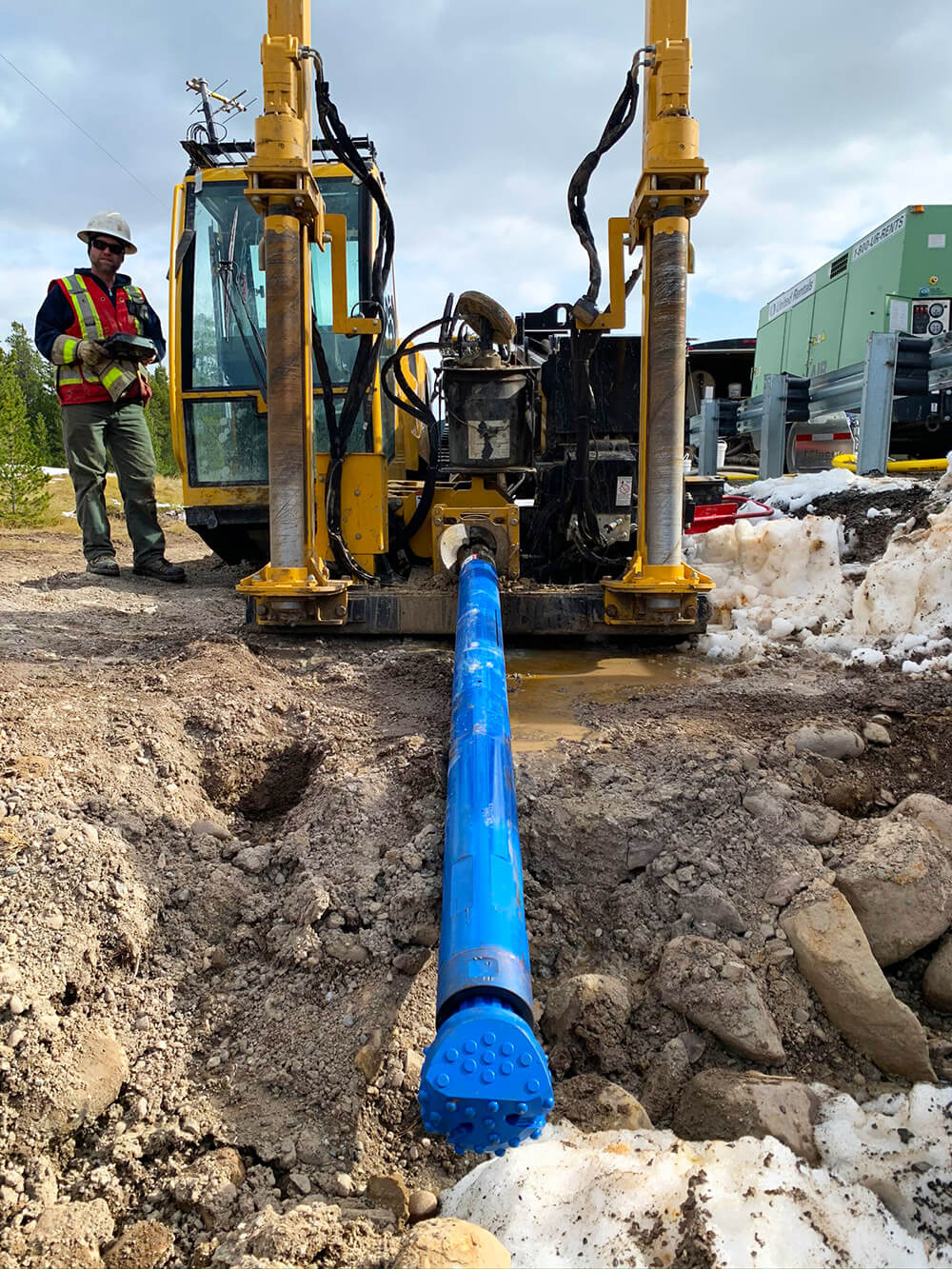
Benefits of Directional and Horizontal Boring
Directional drilling offers many advantages over conventional straight drilling techniques. A primary of the key benefits is the capability to reach several objectives from a one drilling site. https://notes.io/wGLEC decreases the number of drilling sites needed, which not just conserves on expenses but also minimizes ecological effects and terrain disturbance. As a result, companies can function in a more efficiently while keeping a focus on sustainable practices.
An additional significant advantage is the minimization of surface interference. Directional boring allows operators to maneuver around obstacles such as structures, roads, and natural features, which is especially important in city environments. By drilling below ground, the method can install utilities and pipelines without interfering with the surface, thus maintaining the stability of current infrastructure and the surrounding ecosystem.
Additionally, horizontal drilling can be more cost-effective in the long term. While the initial cost in equipment and supplies may be greater, the lowered need for several drilling locations and the ability to drill more precisely often lead to decreased overall project costs. This effectiveness can translate into substantial savings in both duration and resources, making directional drilling an ever more appealing option for various industries, including petroleum, utilities, and sustainable power.
Future Trends in Directional Drilling
The prospects of directional drilling is ready for substantial transformation as tech innovations continue to develop. Breakthroughs in artificial intelligence and automation are improving drilling accuracy and efficiency. These tools allow for real-time data evaluation, enabling operators to make timely decisions promptly and modify drilling settings on-the-fly. As these technologies become more merged, we can expect to see a significant rise in output and a drop in operational costs.
Another key development is the integration of digital technologies, including tailored applications and cutting-edge sensors. These technologies enable better preparation, monitoring, and troubleshooting throughout the drilling process. By leveraging data analysis and machine learning, organizations can optimize bore paths and anticipate potential challenges, thus reducing the likelihood of expensive delays or project failures. The shift toward digitalization is not only making the processes more effective but also opening the way for safer and more eco-friendly drilling practices.
Finally, the focus on green practices is changing the environment of drilling direction. As industries are pressed to adopt green practices, this method offers a approach that reduces impact on the surface and environmental impact. Organizations are now concentrating on innovating methods that improve effectiveness while also addressing environmental concerns. This shift toward sustainability will likely fuel the embracing of new techniques, ensuring that directional drilling remains relevant in an changing market.