

In today's world, the search for an ideal eating plan often feels intimidating. Given numerous choices at your disposal, all offering unique benefits, it can be challenging to find a suitable option for your lifestyle and goals. Including discover this info here for losing weight to diets that support cardiovascular health or gaining muscle, the landscape of diets is expansive and varied. In this piece, we will explore 10 creative dieting options that you haven't thought about yet, diving into what makes them special and how they may be advantageous for you.
If you're looking to reduce inflammation, manage blood sugar levels, or implement a more eco-friendly eating style, there's a diet out there customized for your needs. We'll cover everything from popular options like the flexitarian and uncooked food diets to targeted programs designed for unique health conditions. In conclusion, you'll not only gain a deeper insight about these diets but also insights into which one might fit perfectly with your wellness path.
Summary of Common Dietary Plans
Dieting has transformed into a diverse landscape of choices, catering to multiple preferences and goals. Among the most recognized is the Mediterranean-style eating plan, praised by health experts for its cardiovascular-friendly elements. you can try here focuses on whole foods, including fresh fruits, vegetables, whole grains, nuts, and nutrient-rich fats like extra virgin olive oil. It promotes lean protein sources such as seafood and poultry while restricting beef and processed foods, making it a realistic lifestyle option rather than a rigid eating program.
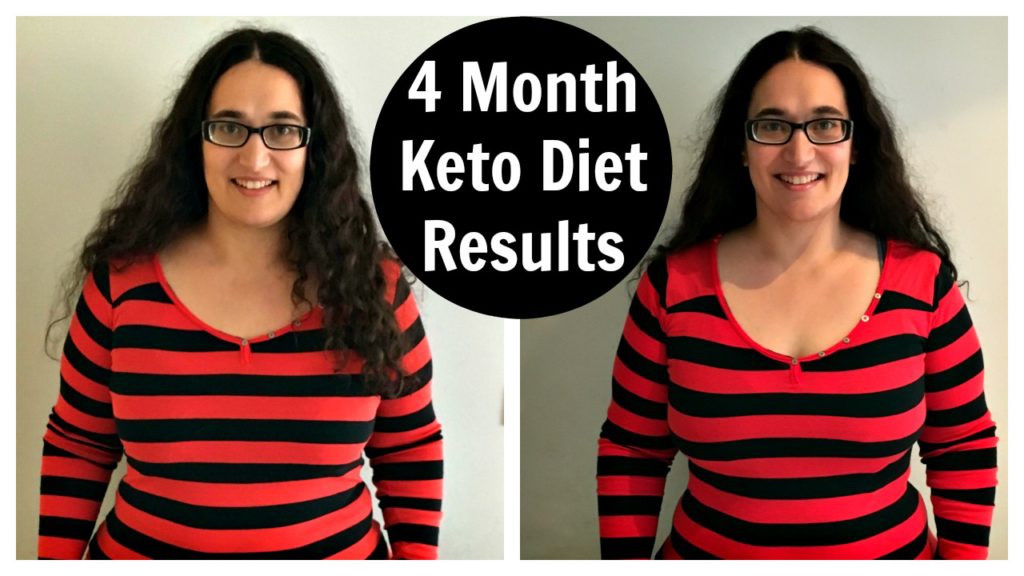
An additional prevalent diet is Keto, which moves the body into a state of ketogenic state by drastically lowering carbohydrate intake and elevating fat consumption. This method can lead to significant weight loss and enhanced energy levels for some, but it may not be fit for all. The Paleo diet emphasizes eating like our ancestors did, highlighting unprocessed foods and excluding grain products, dairy, and beans. This diet is attractive to those looking for a natural method to better nutrition.
The practice of intermittent fasting has gained traction as a versatile eating schedule rather than a traditional diet. This method involves alternating between periods of eating and abstaining from food, allowing various methods that can fit varied lifestyles. It may assist improve metabolism and support weight loss, but outcomes can differ significantly among people. These popular diets each offer distinct benefits and obstacles, encouraging individuals to explore what aligns best with their health goals and way of living.
Understanding Specialized Dietary Plans
Custom diets are developed to address to particular health needs or lifestyle choices, offering customized nutritional approaches that contrast from mainstream diets. These dietary plans can range from medical dietary interventions, such as the gluten free diet for individuals with celiac disease or the renal diet for those with kidney issues, to wellness plans, like the FODMAP diet, which helps manage symptoms of irritable bowel syndrome. Opting for a specialized diet often involves close coordination with healthcare providers to guarantee that nutritional needs are met while addressing specific health concerns.
A further unique category falls under specialty diets that are designed to promote ethical eating or sustainability. The flexitarian diet, for example, supports plant-based meals without completely eliminating meat, suitable to those wanting to reduce their animal consumption for health or environmental reasons. Likewise, the raw food diet focuses on whole and uncooked foods, highlighting fresh fruits and vegetables, which can align with those seeking to eat more naturally. Grasping the reasons behind these diets can help clients choose an method that resonates with their personal values and health priorities.
In conclusion, the design and execution of specialized diets demand careful consideration of individual needs and goals. It is essential to realize that while these diets can offer significant benefits, they also come with potential drawbacks. Excessively restrictive eating patterns might lead to nutritional deficiencies or unhealthy eating habits. Therefore, it’s crucial to strike a measure between the specific dietary guidelines and overall nutrition, ensuring that any chosen specialized diet contributes positively to one’s health and lifestyle.
Selecting the Right Diet for You
Determining the right diet is a individual journey that should mirror your unique lifestyle, health needs, and fitness goals. Start by considering what you want to attain—whether it's weight loss, muscle gain, or total health improvement. Consider your daily routine, food preferences, and any dietary restrictions you may have. This reflection will help you limit the options that mesh seamlessly into your life.
Investigate different diets to understand their principles and potential advantages. For instance, if you're curious in a balanced approach, the Mediterranean diet may serve you well, while those wanting quick results might explore the keto diet. Note to weigh the pros and cons of each plan, as certain may be more sustainable than alternatives in the long run. It's key to choose a diet that is not only efficient but also satisfying and feasible for you to adhere to.
To wrap up, don't hesitate to seek advice from a healthcare professional or nutritionist who can provide personalized recommendations tailored to your specific needs. They can help you sort through popular and trendy diets, ensuring you make educated decisions based on your health condition and lifestyle. The right choice should enable you to not only attain your goals but also maintain a healthy relationship with food.