

Within the current rapidly evolving energy and construction industries, the importance of precision drilling techniques cannot be overstated. Read More Here of directional drilling has surfaced as a transformative method that allows engineers to traverse challenging subterranean environments with unparalleled accuracy. This novel methodology not only boosts the efficiency of drilling operations but also minimizes environmental impact and surface interference, rendering it a top selection for sectors ranging from the oil and gas industry to the renewable energy sector.
For those unfamiliar with the process, directional drilling involves drilling at different angles rather than exclusively vertical or horizontal paths. This versatility allows for tailored solutions in difficult sites, providing vital infrastructure without the requirement of large-scale surface digging. From placing pipelines under waterways to laying utilities in urban environments, directional drilling is vital to modern development. In this article, we shall delve into the nuances of directional drilling, covering its evolution, technology, uses, advantages, and the emerging trends influencing this essential practice.
Comprehending Directional Well Drilling
Directional drilling is a technique which permits drilling of boreholes in multiple angles rather than only upright lines. This method has revolutionized the manner in which approach energy and utility projects are executed, facilitating access to supply which otherwise would be inaccessible. By angling the drill bit, companies are able to circumvent hurdles and attain several locations at a lone drilling location, thereby enhancing efficiency and minimizing the impact on surface areas.
Over the years, directional drilling has advanced significantly. At first, developed for the oil and gas sector, it has expanded into diverse sectors, such as public services, telecommunications, and sustainable energy. Improvements in tools have brought about advanced drilling equipment, live tracking systems, and enhanced drilling fluids which optimize performance. These innovations have made this method a popular option in many construction and energy projects.
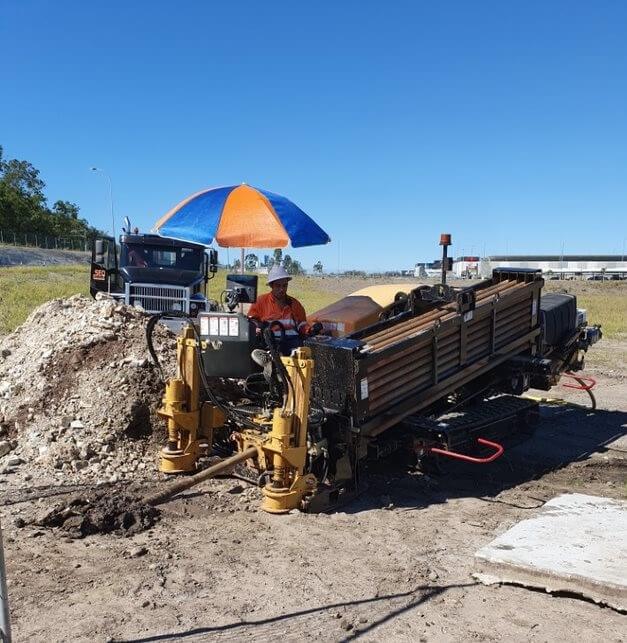
Understanding the distinctions in terms of upright and sideways drilling is key to recognizing the benefits of this method. Upright boring often is straightforward but restricted in versatility, frequently needing multiple drilling sites to obtain different resources. In contrast, this method is capable of creating complex boreholes which access multiple layers of resources causing minor surface disruption. This capability makes directional drilling essential to today's infrastructure development, notably in urban environments in scenarios where space is constrained and environmental factors are of utmost importance.
Benefits of Directional Drilling
Directional drilling offers a variety of benefits over traditional vertical drilling methods, significantly enhancing operational efficiency. One of the key advantages is the ability to access various drilling sites from a unified drilling location. This not only reduces the number of drilling rigs required but also minimizes the overall footprint of the operation, leading to reduced environmental impact and land disturbance. Such efficiency is particularly advantageous in cities where space constraints exist and environmental regulations are stringent.
In conjunction with reducing surface disruption, directional drilling can lead to significant time and financial savings. By allowing operators to bypass barriers and steer clear of sensitive locations, projects can proceed more quickly without the need for extensive rerouting or excavation. Moreover, the precision offered by directional drilling reduces the likelihood of drilling mishaps, which can incur significant project delays and financial losses. This effectiveness plays a crucial role in project planning and execution, making directional drilling a preferred choice for numerous sectors.
Lastly, the environmental advantages of directional drilling are noteworthy. It can significantly decrease the impact on ecosystems by allowing utility installations, pipelines, and construction projects to proceed with minimal impact on the surrounding environment. These advantages not only assist in meeting regulatory requirements but also help maintain community relations and protect natural habitats. As environmental considerations become increasingly important in the development of infrastructure, the role of directional drilling is likely to become even more prominent.
Future Trends in Directional Drilling
As the technology continues to advance, the outlook of directional drilling appears bright with the incorporation of advanced tools and techniques. Breakthroughs such as instant data analytics and advanced drilling software are empowering operators to make more informed decisions during the drilling process. These technologies provide crucial insights into both underground conditions and drilling performance, allowing for greater precision and superior efficiency. This shift towards data-driven approaches is expected to revolutionize the industry, making directional drilling less risky and more productive.
Another significant trend is the incorporation of artificial intelligence and automated systems in drilling operations. AI-driven systems can enhance drill paths and enhance operational efficiency by anticipating potential issues before they occur. Automated technologies can assist in various aspects of drilling, from managing equipment to supervision. By lessening the reliance on manual intervention, these advancements not only boost productivity but also help mitigate human error and associated risks.
Finally, the drive for sustainable infrastructure is predicted to shape the future of directional drilling. As industries move towards greener practices, directional drilling is becoming progressively essential for projects that aim to minimize environmental impact. The capability to drill without extensive surface disruption makes it an optimal choice for urban areas and vulnerable locations. Furthermore, advancements in sustainable drilling fluids and techniques support global sustainability goals, ensuring that directional drilling stays a key player in the shift to a more sustainable future.