

In the current ever-evolving world of building and resource extraction, horizontal drilling is remarkable as a revolutionary technique that has changed how we handle underground projects. Whether it’s done for hydrocarbon exploration, infrastructure installation, or even renewable energy initiatives, the art of directional drilling allows for precise navigation beneath the earth's surface, minimizing disruption while maximizing efficiency. For those new to this field, understanding what directional drilling entails is crucial in understanding its significance and the remarkable advancements driving its ongoing development.
As we explore the intricacies of directional drilling, we will analyze the multiple types of drilling techniques, the differences between upright and sideways drilling, and the cutting-edge technologies that enhance this modern approach. With benefits that include lower ecological footprint, cost savings, and improved safety, directional drilling is more than a functional solution but a vital component for urban infrastructure and multiple industrial applications. Accompany us on this journey beneath the surface as we uncover the craft of directional drilling and its significant implications for the future.
Grasping Directional Drilling
Directional borehole drilling is a unique method employed in multiple industries to create wells at non-vertical angles, allowing for enhanced access to underground resources. This method enables the boring of several boreholes from a single location, diminishing the environmental footprint and minimizing surface disruption. In Directional Drilling Northern Ireland , it boosts the effectiveness of resource extraction while preserving the integrity of the adjacent area.
The development of directional technology has revolutionized the way businesses approach underground exploration and services installations. At first developed for oil extraction, the methodology has expanded to diverse applications, including aquifer wells, earth energy systems, and infrastructure installations. why not check here has made directional drilling an invaluable tool in modern development projects, catering to the growing demand for sustainable practices and optimal resource management.
Comprehending the principles of directional borehole borehole drilling is crucial for workers in the field. The process involves precise planning and execution, utilizing advanced technology and specific equipment such as mud-driven engines and monitoring systems. By mastering these devices, drillers can maneuver through complex terrains and demanding environments, securing success in their tasks while complying with safety and environmental guidelines.
Benefits of Directional Drilling
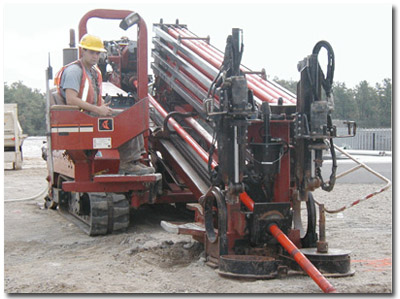
One the major advantages of directional drilling is the capability to reduce surface impact. Unlike traditional vertical drilling methods, known for creating extensive surface disruptions and require larger areas for setup, directional drilling can navigate beneath infrastructure, roads, and sensitive areas. This ability permits for the placement of utilities and pipelines without the need for extensive excavation, preserving the integrity of the surface landscape and lessening the impact on surrounding ecosystems.
Also, directional drilling provides substantial time and cost savings compared to traditional drilling techniques. The efficiency of being able to drill multiple wellbores from a one entry point means that less drilling rigs are needed, and project timelines are often significantly reduced. This makes directional drilling particularly favorable for projects with limited deadlines or budget constraints, such as urban infrastructure installations that require quick and efficient solutions.
Sustainability advantages also play a crucial role in the attractiveness of directional drilling. The option to drill horizontally allows operations to steer clear of sensitive ecological areas, reducing the overall environmental footprint. Furthermore, with progress in drilling methods and fluid management, directional drilling can cut down on waste and enhance resource recovery, supporting more sustainable practices in industries like oil, gas, and renewable energy. This congruence with environmental considerations is increasingly important in today’s projects, showing a broader commitment to sustainability and responsible resource management.
Upcoming Trends in Horizontal Drilling
The future of directional boring is poised for significant advancements fueled by innovations in technology and practices. One notable trend is the incorporation of artificial intelligence and ML into drilling operations. These technologies are enabling instantaneous data analysis and predictive modeling, which enhance drilling accuracy and efficiency. By optimizing drill paths and reducing unplanned downtimes, AI is emerging as an invaluable asset for operators seeking improve performance and cut costs.
Another crucial trend is the increasing embrace of automated systems in horizontal drilling processes. Automated solutions not only streamlines operations but also reduces human error and improves safety on job sites. As distant monitoring and control systems become more advanced, operators can manage intricate drilling projects from afar, reducing the need for onsite personnel. This transition is particularly beneficial for challenging environments where safety and accessibility are major concerns.
Lastly, the push towards eco-friendly practices is shaping the future of directional drilling. As industries focus on environmental responsibility, techniques that minimize surface disruption and protect ecosystems are growing in traction. Innovations in drilling fluids and equipment crafted to lessen ecological impacts are in development, laying the way for a more eco-conscious approach to infrastructure projects. This trend shows a broader commitment within the industry to adapt to evolving environmental regulations and community expectations.